It’s Okay to Have Low-Capacity Days as an In-Home Educator
Feb 09, 2026
It’s Okay to Have Low-Capacity Days as an Educator
Low-capacity days in childcare are real — and they don’t mean you’re failing.
There’s a quiet pressure in early learning to always be “on.”
To always have the invitation prepped, the activity intentional, the day flowing perfectly.
But for many educators — especially in-home educators, family childcare providers, and dayhome professionals — that expectation doesn’t match reality.
Because we are a one-person show.
We are the cook, the cleaner, the first aider, the diaper changer, the planner, the bus driver, the emotional regulator, and the safe place. And some days, giving 100% to everything and everyone simply isn’t realistic.
And that doesn’t mean you’re doing anything wrong.
We Don’t Get Breaks — and That Matters
In many childcare settings, educators can trade off.
Someone else steps in so you can grab a coffee, take a breath, or reset.
In family childcare and dayhomes, that doesn’t exist.
If lunch needs to be made, you make it.
If a child needs extra cuddles, you are the one holding space.
If the room needs cleaning, you are doing it — while supervising children.
There are no official breaks.
No backup staff.
No quiet moments that magically appear.
So expecting yourself to operate at full capacity all day, every day?
That’s not sustainable — and it’s not fair.
Low-Effort Does Not Mean Low-Value
Some days, the most supportive thing you can do is choose activities that:
-
Require minimal setup
-
Allow children to engage independently
-
Give you space to meet other needs
That might look like:
-
🔗Colouring pages or simple drawing prompts
-
Minimal, open-ended art trays
-
Allowing children to freely play
-
A calm movie or quiet screen time
-
These choices are not failures.
They are responsive tools that support both children and educators.
__________________________________________________________
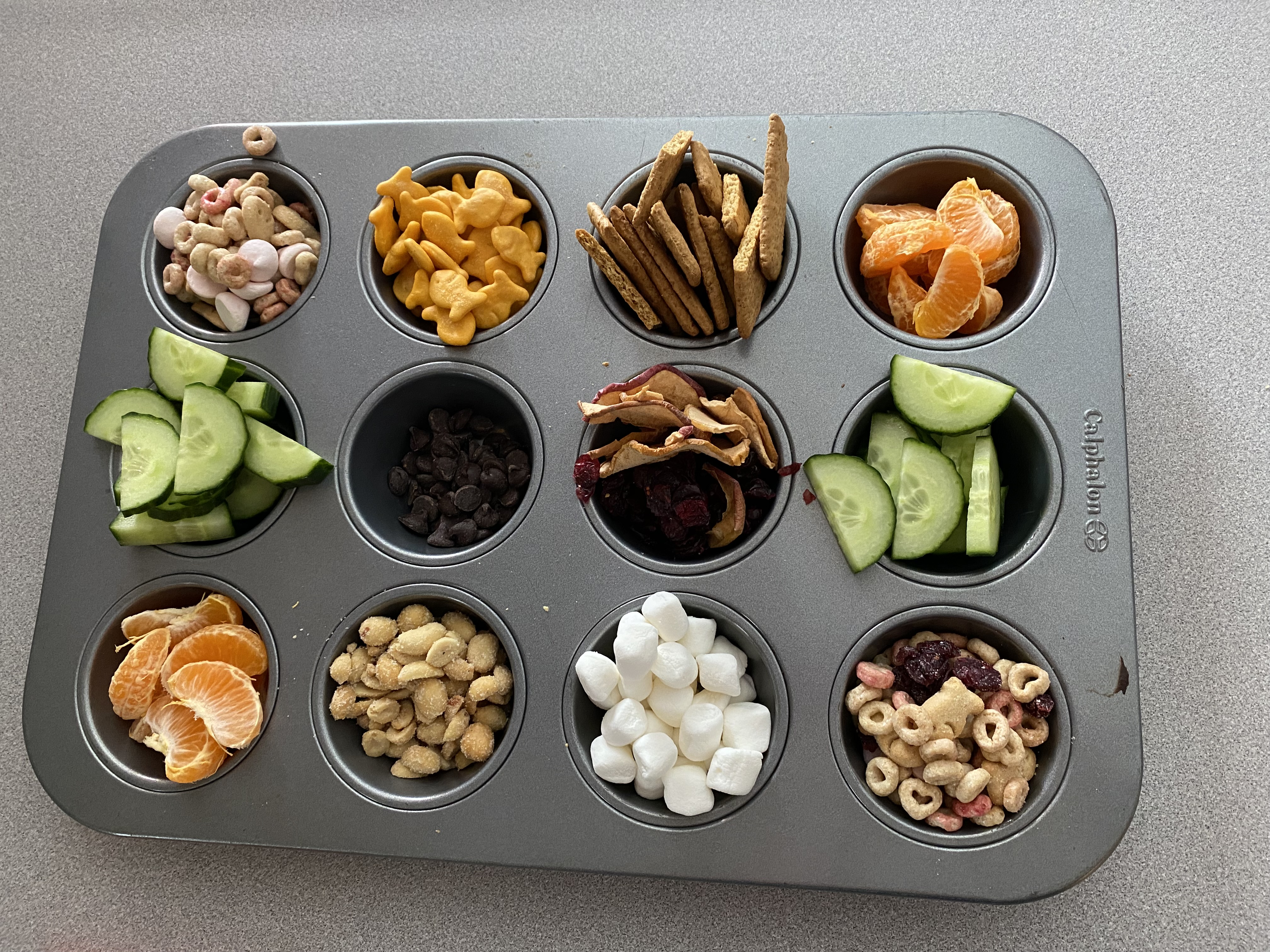
If you’re looking for invitations that support low-capacity days, you might find these helpful:
__________________________________________________________
Children are still:
-
Practicing fine motor skills
-
Building language and listening skills
-
Regulating their bodies and emotions
-
Feeling safe and cared for
And you are still:
-
Present
-
Attentive
-
Meeting everyone’s needs — including your own
👉🔗You can find the Yoto player we use here.
“Tools like audiobooks or a Yoto player can offer calm, independent engagement while still supporting literacy and regulation.”
Why Slow Days Are Still Good Days
There will be days when:
-
A child needs more emotional support than usual
-
Lunch takes longer than planned
-
Your energy is lower
-
Life outside of childcare feels heavy
On those days, something has to give — and it shouldn’t always be you.
Choosing a slower pace teaches children:
-
That rest is part of life
-
That adults care for themselves
-
That not every moment needs to be filled
These are lessons too.
__________________________________________________________
If you find yourself in low-capacity seasons often — whether because of winter burnout, personal stress, or simply the rhythm of family childcare — the🔗Winter Play Pack was created with those days in mind.
It includes low-prep, adaptable invitations that support meaningful play without requiring you to operate at full capacity.
👉 Explore the Winter Play Pack here.
https://www.capablelearners.ca/offers/hazodoaS/checkout
You Are Allowed to Choose What Fits Your Capacity
This is your reminder — and your permission:
You are not wrong for choosing easy, independent activities.
You are not lazy for needing a slower day.
You are not failing because everything wasn’t “Pinterest-perfect.”
You are a human caring for humans.
On low-capacity days, remember:
-
Safety matters more than perfection
-
Presence matters more than performance
-
Connection matters more than complexity
And sometimes, the most responsible choice is to protect your own capacity so you can keep showing up — tomorrow, next week, and next month.
A Gentle Reminder for Educators
You don’t need to earn rest.
You don’t need to justify low-prep days.
And you don’t need to apologize for taking care of yourself.
Looking after yourself is part of the work.