How to Build a Sensory Bin at Home (Using What You Already Have)
Feb 16, 2026
How to Build a Sensory Bin Using Materials You Already Have at Home
You don’t need themed kits.
You don’t need to order anything.
You don’t need a trip to the craft store.
When building a sensory bin, there are just four core categories:
-
A tray or container
-
A filler
-
Add-ins
-
Tools
That’s it.
If you understand these four pieces, your options are endless.
And chances are — you already have everything you need at home.
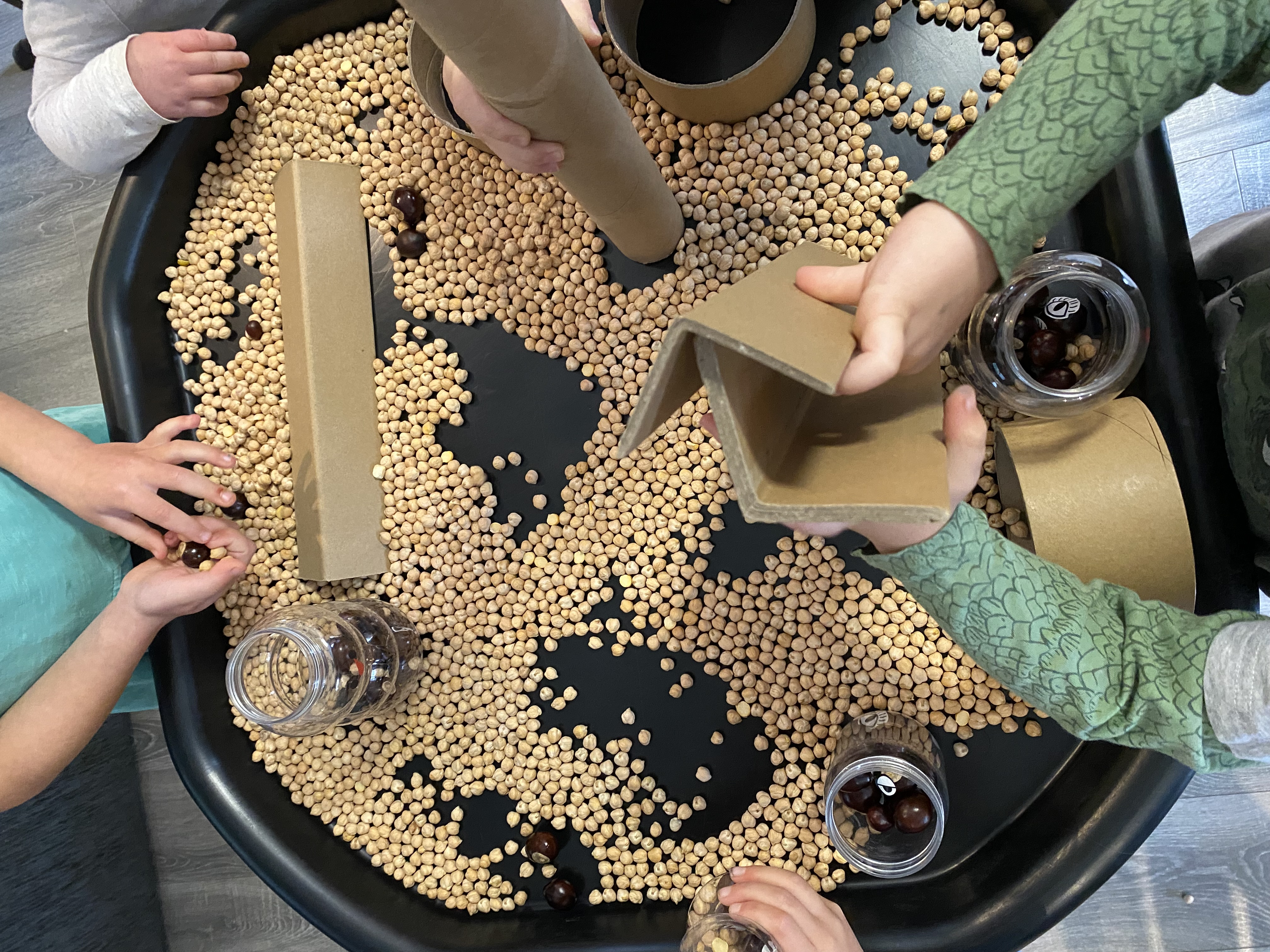
1. The Tray (Your Foundation)
Every sensory bin needs something to hold the materials.
This could be:
-
A plastic storage bin
-
A baking tray
-
A large mixing bowl
-
An under-the-bed container
-
A shallow tote
It does not need to be labeled “sensory.”
It simply needs to contain the materials and give children space to explore.
Tip: If you’re worried about mess or materials spilling out, go bigger.
If a baking tray isn’t containing the rice, try a deeper plastic tote.
Sometimes the solution isn’t removing the activity — it’s adjusting the container.
When we adjust the environment instead of restricting the play, children are more successful — and we’re less stressed.
2. The Filler (Your Base)
The filler is what fills the tray.
Look in your kitchen — you might already have:
-
Rice
-
Oats
-
Lentils
-
Dried beans
-
Pasta
-
Cornmeal
-
Shredded paper
One bag of rice can be used for weeks.
You don’t need to dye it.
You don’t need to theme it.
Simple works.
If you prefer non-food options, you can also use:
-
Sand
-
Small pebbles or rocks
-
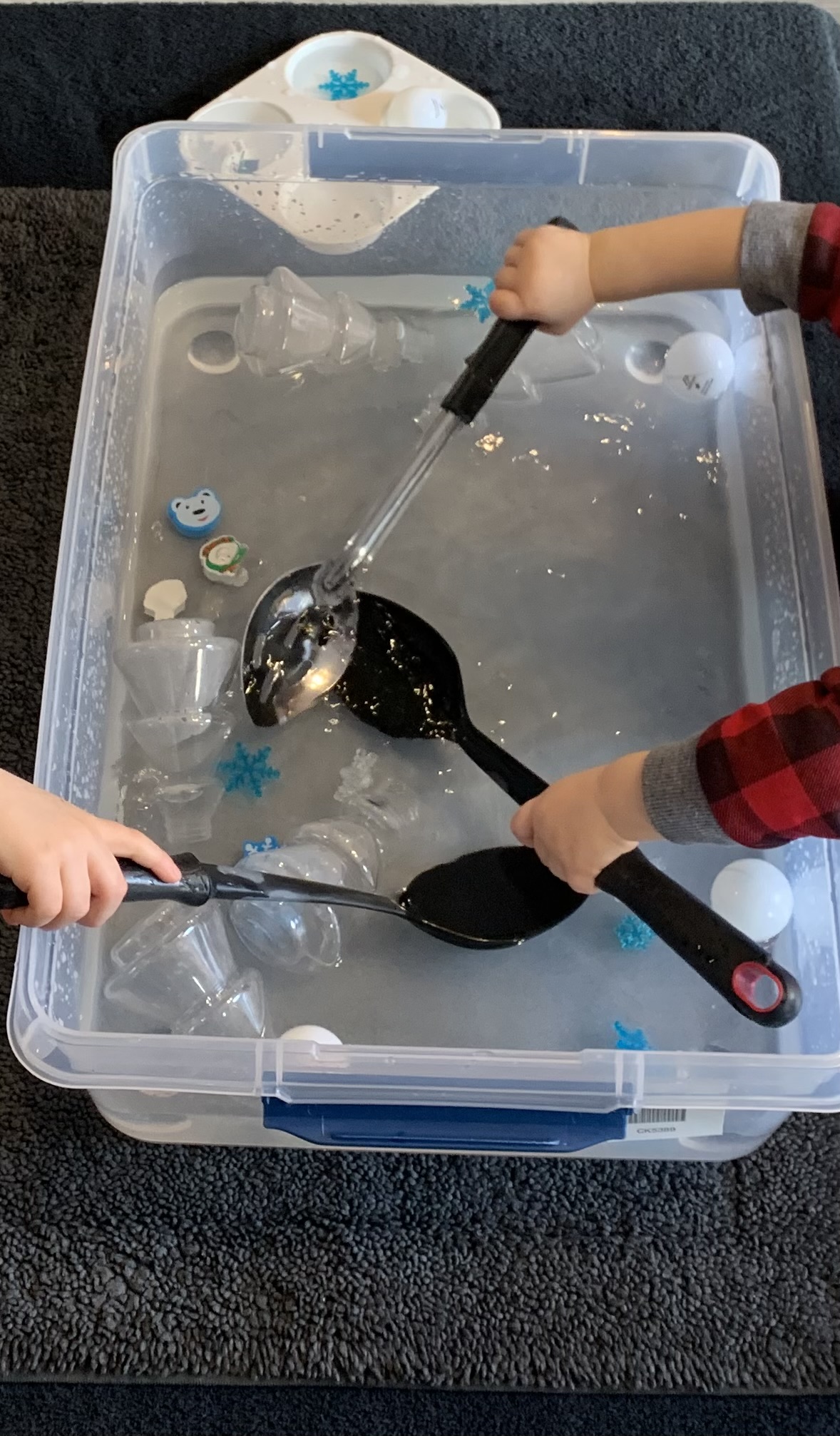
Water
-
Kinetic sand
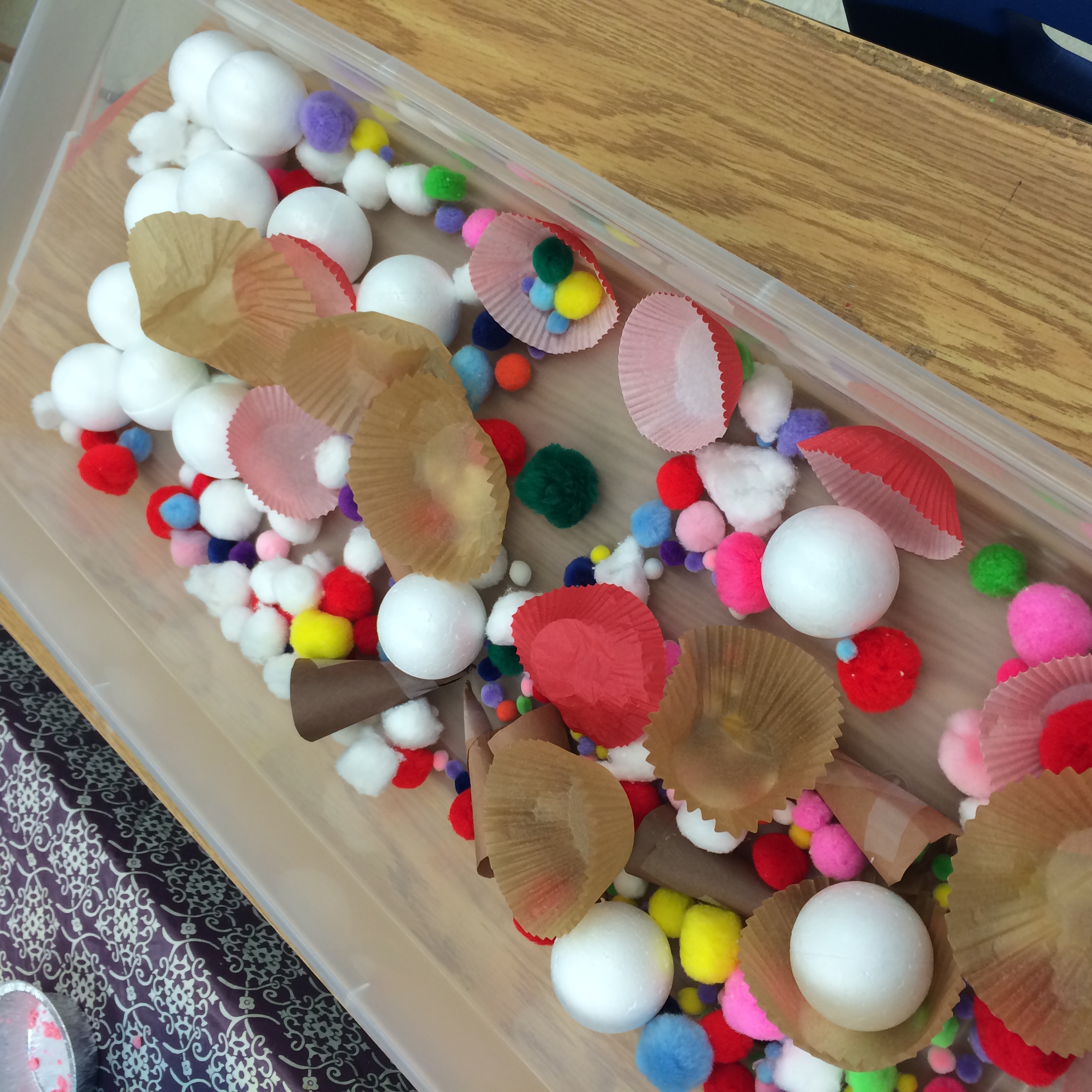
- Cotton balls
-
Pom poms
Outdoor sand in a tote can be just as engaging as dyed rice.
Shredded paper can turn into a hiding-and-finding activity in seconds.
Choose what feels realistic and manageable for your space.
👉 If you’d like a simple breakdown of filler ideas, tools, and add-ins organized by category, you can download my Free Sensory Bin Checklist here:
Sensory Bin Checklist
3. The Add-Ins (Where the Learning Shifts)
This is where sensory bins become powerful.
Add-ins shift the experience and deepen the learning.
Start simple:
-
Paper towel tubes
-
Mini cardboard boxes
-
Recycled containers
If it’s a hit, keep the rice — but swap the add-ins next time.
Try:
-
Small animals
-
Wooden puzzle pieces
-
Letters
-
Loose parts
-
Nature items
I love using shredded paper and hiding small objects inside — letters, wooden puzzle pieces, small shapes.
Children search, sort, find, categorize.
Same filler.
Completely different experience.
If you’re unsure what counts as loose parts or want ideas you can gather without buying anything new, I created a Free Household Loose Parts Guide that breaks down everyday materials you can collect and rotate.
You can download the free loose parts guide here:
👉https://www.capablelearners.ca/offers/gzVmZFYc/checkout
When you build even a small loose parts collection, you unlock endless sensory bin combinations without overcomplicating your setup.
4. The Tools (How Children Engage)
You probably already have tools sitting in a drawer:
-
Old protein powder scoops
-
Laundry scoops
-
Measuring cups
-
Tongs
-
Spoons
-
Small bowls
Children don’t care if it’s labeled “sensory.”
They care that it works.
Tools invite:
-
Scooping
-
Pouring
-
Transferring
-
Fine motor development
-
Early math skills
-
Problem-solving
When you understand how fillers, add-ins, and tools work together, you stop feeling pressure to constantly create something new.
You simply remix what you already have.
Why Sensory Play Matters in Early Learning
In early learning, sensory play has always been a core piece of the environment.
Not because it looks pretty.
But because children learn so much through it.
Through sensory play, children build:
-
Language development
-
Fine motor control
-
Early math concepts
-
Focus and attention
-
Creativity
-
Confidence
The learning happens in the doing — not in the aesthetic.
Sensory bins don’t need to be Pinterest perfect.
They simply need to be accessible and intentional.
Still Unsure How to Mix the Four Categories Together?
If you understand the framework but still find yourself staring at a bin wondering, “Now what?” — I go much deeper inside my 57 Sensory Bin Ideas eBook.
Inside, I share flexible combinations that work in real early learning environments — without overcomplicating your setup or buying new themed materials every month.
You can explore the 57 Sensory Bin Ideas eBook here:
https://www.capablelearners.ca/offers/Foo48L7Y/checkout
Final Thoughts
Start small.
One tray.
One filler.
One add-in.
One tool.
That’s all you need to build something meaningful.
Sensory play doesn’t have to be complicated.
It just has to be intentional.
And when you simplify the materials, children bring the imagination.